
3,050 Words / 12 min. Read
It’s no secret that the road ahead is full of challenges. We’ve made climate change a main focus of our work here, because we believe it poses an existential threat - not just to humanity, but to the planet at large.1,2,3 We also recognize that climate change is one node of many in the polycrisis, a network of interconnected threats that includes everything from natural disasters and resource shortages to wars, pandemics, migration, social unrest, and economic collapse.4
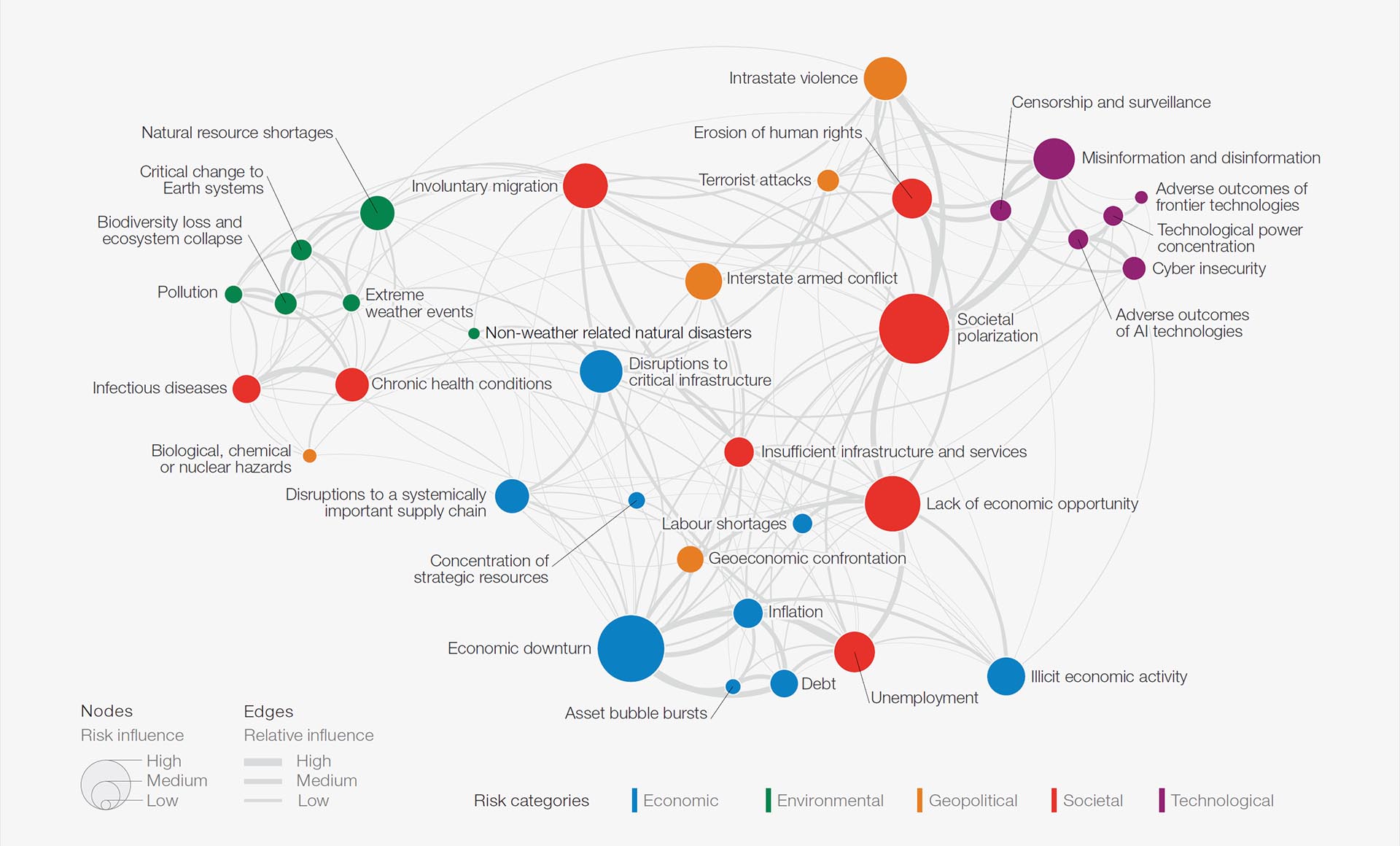
It’s easy to look at that graphic and become overwhelmed to the point of inaction. How can anyone prepare for such a wide range of threats?
When we set out to answer that question, our goal was to find a set of actions and principles that could be universally applied to any crisis. Our research into resilience, psychology, sociology, and history led us to these 5 keys:
1. Prioritize Your Health
2. Acquire the Essentials
3. Reduce Your Dependence
4. Become a Producer
5. Build Your Capital
Some of these may seem obvious, but remember that knowledge and action are very different things. We all have things we “should” be doing, but how many of those are actually put into practice? So as you go through each key, consider how you can begin integrating them into your life in a meaningful way. Think of this as your triage kit for building a foundation of resilience, to help you face all the risks and challenges of the coming years.
This is a condensed version of our series on personal resilience; if this “crash course” is helpful for you, you can find the full version here.

1. Prioritize Your Health
There is no aspect of resilience that isn’t improved by good health. Providing for your needs, learning new skills, forming social bonds, responding to crises, and planning for the future - all of these depend on your physical and mental wellbeing.
We recognize that “healthy” will look a little different for everyone, and some aspects of our health (like age, injuries and illness) are out of our hands. So let’s focus on what we have the power to change; diet, exercise, and sleep, the three pillars of physical health.5
While it seems like dietary advice is constantly changing,6,7 here are 4 simple guidelines that have stood the test of time. First, cut out highly-processed foods (such as sugars, refined oils, soft drinks, fast food, and packaged snacks).8,9,10 Second, make whole and minimally-processed foods the basis of your diet.11,12,13 (Roots, vegetables, fruits, legumes, nuts, grains, dairy, eggs, meat, and pressed oils.) Whole foods are more nutrient-dense,14 are harder to overeat,15 are better for your gut,16 and can reduce your risk of chronic disease.17
Third, cook the majority of your meals at home. Home-cooked meals are almost always cheaper and more nutritious than restaurant food;18,19 if time is tight, try meal-prepping on the weekends. Lastly, drink water. Staying hydrated supports your heart, your organs, your joints, and your brain;20,21 since we get a fair amount of water from our food, we should be drinking 1-2 quarts of water per day, depending on our activity level.22
The human body is meant to move; exercise improves your body composition,23 alleviates depression and anxiety,24 extends your lifespan,25 and generally makes it easier to go about daily life. We recommend a routine that incorporates cardiovascular exercise (such as running, biking, swimming, or active sports), resistance training (such as calisthenics or weightlifting), and dynamic stretching (such as yoga). Aim for at least an hour of exercise a day, 5 days a week.26 Consistency beats intensity, so take the time to find activities that you genuinely enjoy!
Sleep is fundamental to our wellbeing, but technology, stimulants, and stress can make it hard to recover fully.27,28 Practicing good sleep hygiene is one of the most effective ways to ensure you get the rest you need; that means going to bed and waking up at a consistent time, getting outside during the day (to support your circadian rhythm), banning screens from the bedroom, and avoiding caffeine and large meals before bedtime.29
Taking charge of your health is an investment of time and effort, and you’ll see the returns in all areas of your life. When you prioritize your diet, fitness, and sleep, you’re building a baseline of resilience that follows you wherever you go.
2. Acquire the Essentials
Once we’ve developed a foundation of wellness, we can turn our focus to acquiring critical resources. Right now, most everything we need is readily available; shelves are stocked, money is circulating, and data is flowing. We encourage you to make use of this abundance while it lasts, and to spend your time and money where it counts.
We can’t prepare for a threat unless we’re aware of it, so the first step to building resilience is acquiring information and knowledge.30 That’s what you’re doing now, so you’re well on your way! We’re compiling everything you need to prepare for the future into a single resource; if you prefer having your information in hand, we’ve curated a list of books which cover many of the same subjects.
The COVID pandemic exposed the fragility of our supply chains, leading to “panic buying” at grocery stores and shortages of basic goods.31 Climate change will likely cause similar pressures and disruptions in our supply chains,32,33 so the next step is setting aside some essential supplies.
Since food and water are survival needs, we recommend that every household maintain a 3-month supply of each. For water, that means one gallon per day per person, to cover drinking, cooking, and basic hygiene.34 For emergency food stores, we’d recommend white rice, dry beans, flint corn, and/or rolled oats.35 All of these are cheap, high-calorie food sources that can last for years (or even decades) when properly stored in a cool, dry location.36 At 2,000 calories per day, a 3-month food supply would require 4x 5-gallon buckets of dry foods per person.37
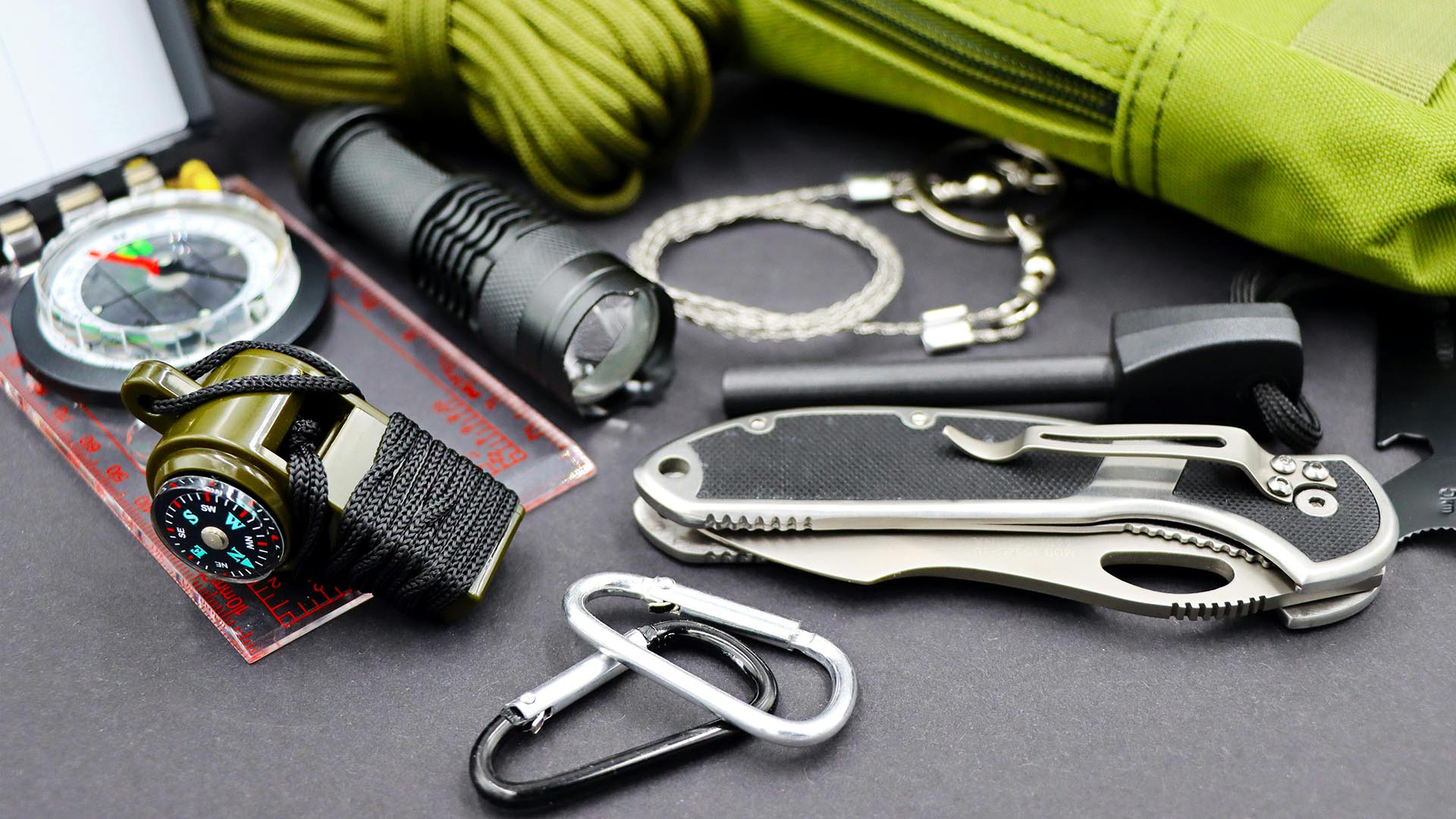
Next, put together a basic emergency kit. That includes first aid supplies, N95 masks, a knife or multi-tool, a lighter or firestarter, a flashlight or headlamp, a water filter or purification tablets, an emergency radio, and a small battery bank or solar charger.38,39,40 Store it all in a backpack or duffel bag, so you can take your kit with you in the event of an evacuation.41 You’ll also want to include copies of essential documents (birth certificate, social security card, insurance and medical records), a local map, and printed-out emergency contacts (in case your phone dies).
Lastly, we’d recommend putting together enough savings to cover at least 3 months of living expenses, in the event that you lose your job or income.42 If you’re living paycheck-to-paycheck that’s easier said than done, but since we all have different skills, abilities, and opportunities available to us, there’s no universal path to increase your earning potential. So instead, let’s look at some ways to save money by simplifying your life.
3. Reduce Your Dependence
The simplest way to become more self-sufficient is to reduce the time, energy, and money required to maintain your life. If we’re constantly working to make ends meet, filling our time with distractions, or spending all our time putting out fires, our long-term goals will continually stay out of reach. In Collapse Now and Avoid the Rush, John Michael Greer makes an existential case for downsizing:
These problems leave only one viable alternative, which is to decrease our energy use, per capita and absolutely, to get our energy needs down to levels that could be maintained over the long term on renewable sources. Individuals, families, and communities faced with this predicament still have choices left: to make the descent in a controlled way, beginning now, or to cling to their current lifestyles until the system that currently supports those lifestyles falls away from beneath their feet.43
It’s up to each of us to determine our needs and wants, but this isn’t an act of personal sacrifice; research (along with our own personal experience) has shown that reducing your material consumption actually leads to greater wellbeing.44,45 So let’s look at some ways to lighten our burden.
Housing prices have more than doubled over the past two decades, rising from $200,000 in 2000 to over $500,000 in 2025 (greatly outpacing income growth).46,47 For new homebuyers hoping to enter the market, downsizing may not be an option; it’s likely a necessity.
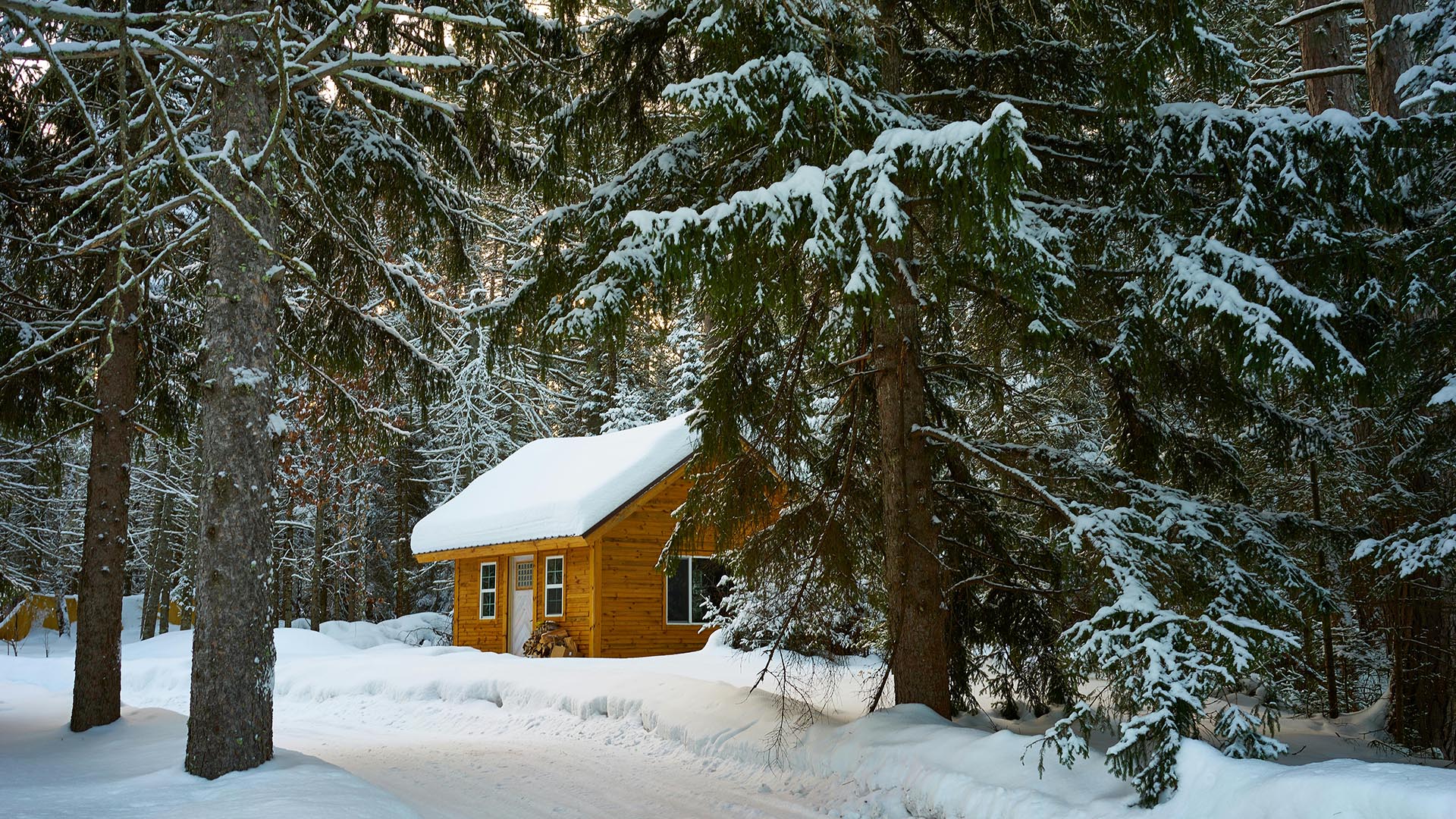
That said, there are many advantages to living small, especially when it comes to long-term resilience. Smaller spaces take less time to clean and maintain, and require less fuel to heat and cool, making it easier to achieve energy independence with renewables like solar or firewood. With less space available for storage, hoarding isn’t an option; small spaces naturally encourage us to focus on the essentials. Consider that in 1970, the average house had about 500 square feet per person;48,49 we believe that’s a good starting point when determining how much living space you need.
The average American household spends over $13,000 per year on transportation,50 and the average price of a new car hit a record high of over $50,000 in 2025.51 Between car payments, insurance, registration, fuel, maintenance, and repairs, Americans put around 20% of their income towards their vehicles, leaving many people financially overextended.52,53
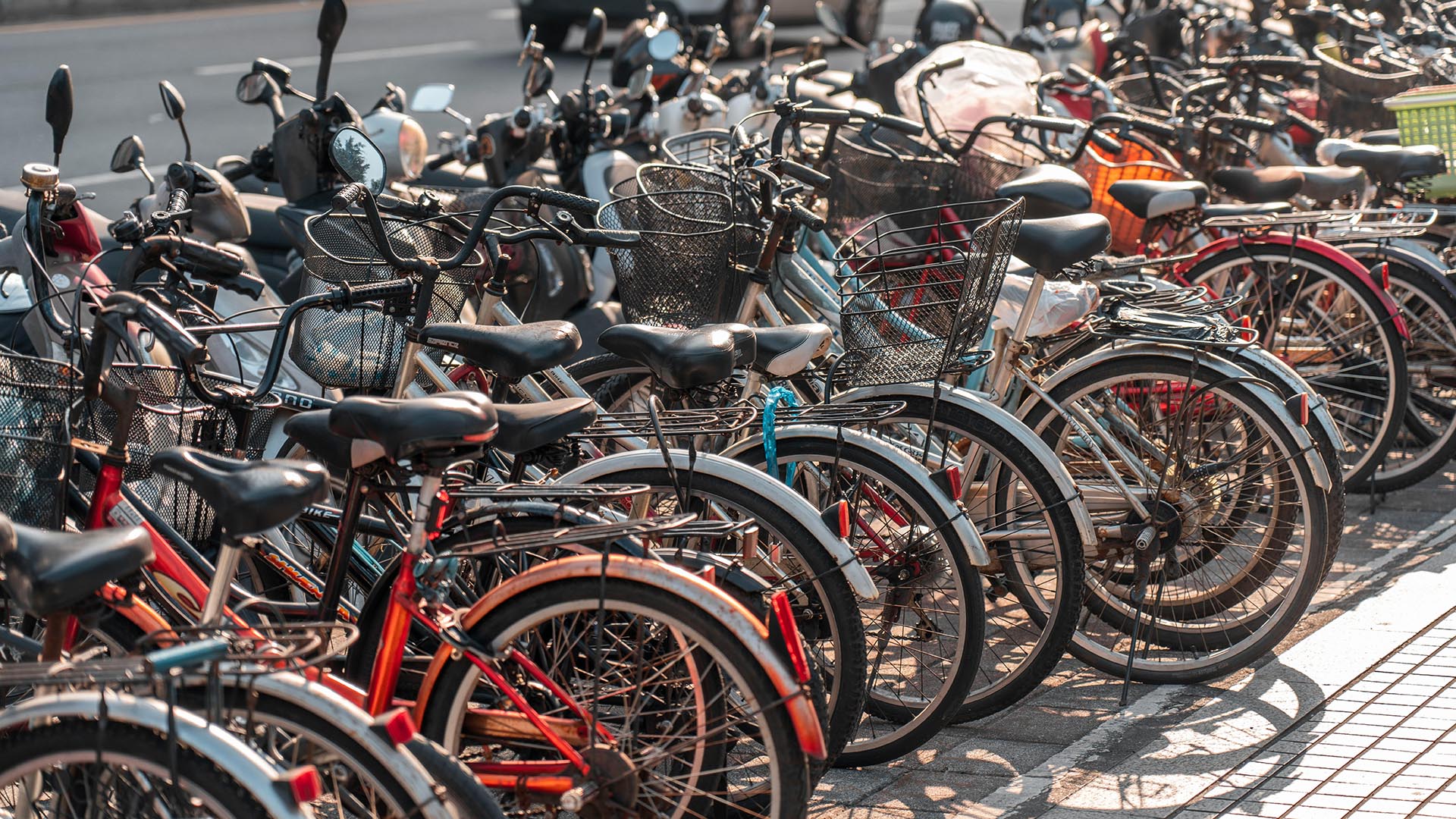
Whenever possible, we recommend going car-free in favor of more resilient options like walking, biking, and transit. At the same time, we recognize that car-centric infrastructure has left much of the country dependent on personal vehicles.54,55 Rather than making the perfect the enemy of the good, we encourage you to explore whatever alternatives that are available to you.
Are you in a position to work remotely? Can you move closer to work and amenities? If you’re a 2-car household, could you share a single car instead? Is there a local carshare program in your area? Would an e-bike make a longer commute more doable? Could a cargo bike replace errand runs in the car? It’s not an all-or nothing proposition; any way we can reduce our reliance on vehicles is a step towards independence.
When purchasing goods, ask yourself: will it bring you genuine joy and satisfaction? Will it help you reach your long-term goals, or will it end up becoming another distraction? Quality clothes, tools, cookware, furniture, musical instruments and books can provide decades of value with little maintenance. On the other hand, fast fashion, cheap toys, and technology like phones, tablets, laptops and TVs often end up as expensive waste within a few years.56
We recommend doing a yearly inventory of your possessions, and selling or donating anything you haven’t touched in that time. We also recommend tracking your monthly subscriptions; on average, Americans spend over $200 per month on subscription products (and we often underestimate that cost).57
More fundamentally, we recommend experiences over possessions.58,59 Spending time with your partner, children, pets, and friends costs little if anything, as does spending time in nature; all of these things make us healthier and happier in turn.
Conversely, how can you let go of the things that are eating up your time and attention? Can you set limits around technology and screen time?60 Do you need to set boundaries around work, emails, and meetings?61 Is it time to heal, mediate or end a difficult relationship? It’s a lifelong process, but our goal is to consistently check in to make sure we’re spending our time, energy and money on the things that matter most.
4. Become A Producer
When it comes to physical resources, the vast majority of us are net consumers. Only 13% of Americans work in agriculture, mining, construction, or manufacturing; the rest of us hold positions in finance, insurance, real estate, software, government, education, retail, hospitality, and management, where the only resource we produce is money.62 That’s fine when things are running smoothly, but in an extended crisis, those skillsets will be in high supply and low demand.
There’s no need to quit your job, but if you work in a white-collar field, we’d encourage you to begin developing skills that could remain viable in a declining economy. So what are some hobbies, trades and careers to consider?
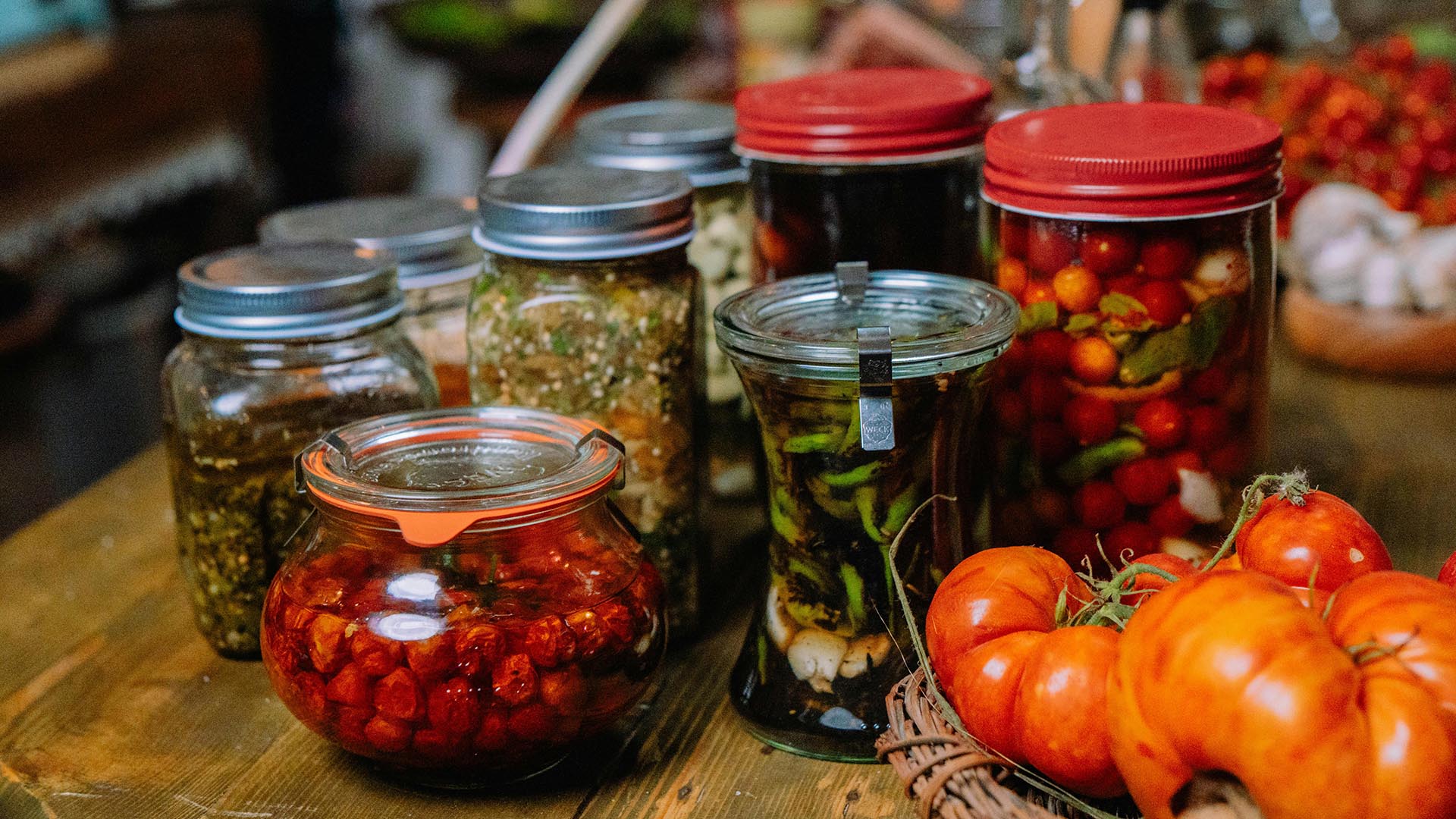
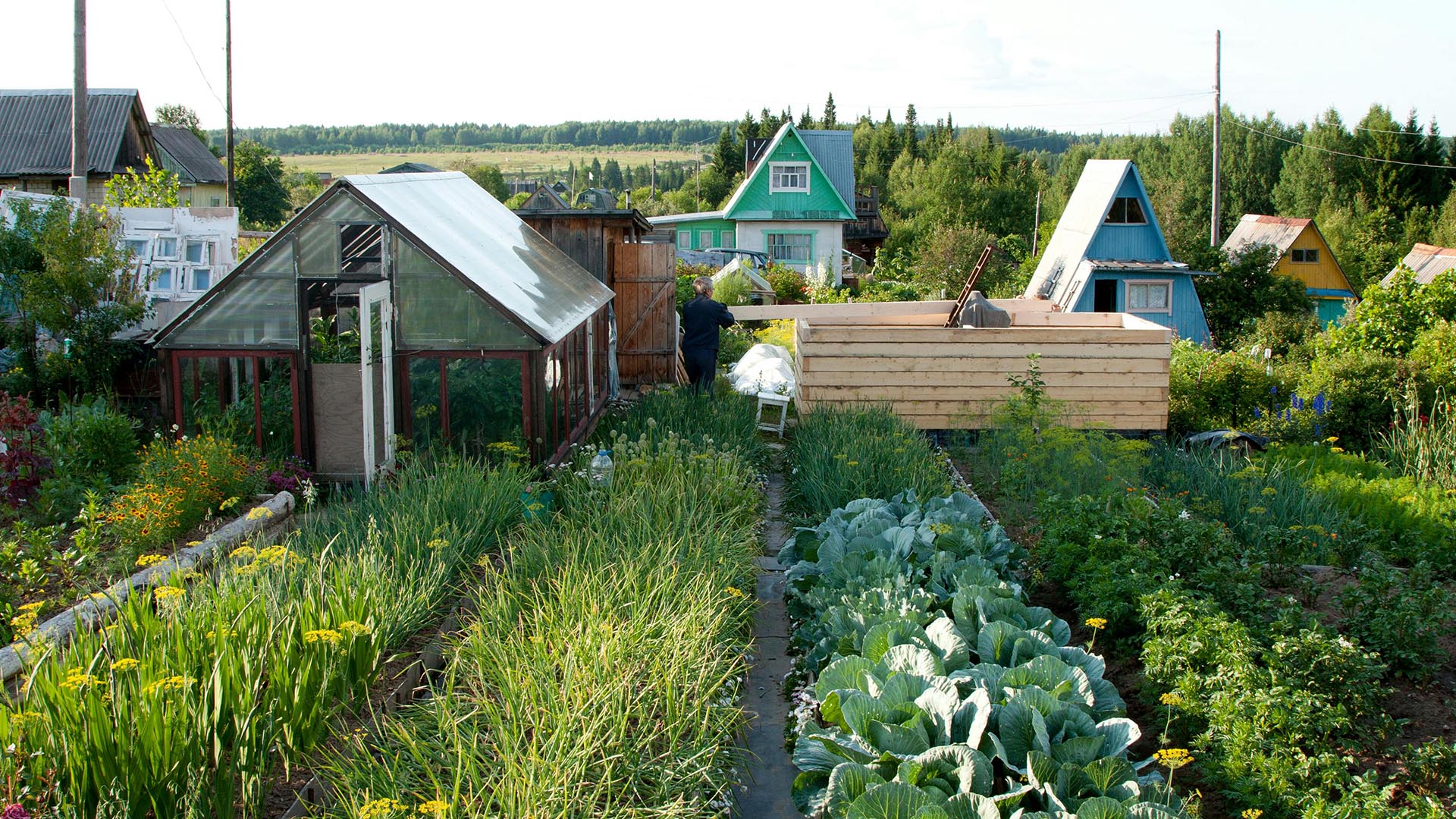
Traditional skills are inherently resilient, having developed in times when supply chains were local and energy was less abundant. They include gardening, foraging, herbalism, hunting, and fishing; food preservation (such as canning and fermenting), brewing and distilling. This also includes most cottage industries, like sewing, knitting, weaving, carpentry, woodworking, metalworking, pottery, candlemaking, papercraft, and natural cosmetics.63 All of these crafts produce beautiful, durable items to fill your home, gift to loved ones, or turn into a business of your own.

If you’re searching for a new career, there are several sectors which should remain viable amidst a polycrisis. Farming and food production is the most obvious, as we all depend on it to survive. In a future where extreme weather events are more common,64 topsoil is scarce,65 and fossil-fueled inputs are declining,66 regenerative agriculture will be especially valuable.67
Healthcare and medicine is another essential field; we’re all prone to illness and injury, and the ability to diagnose, treat, and heal those in need is a critical skill. Adjacent to this are emergency responders, such as police, firefighters, and the National Guard. Regardless of whether those institutions stay intact, the ability to respond to crises will remain invaluable.68
The maintenance and repair of critical infrastructure (like buildings, roads, and utilities) will be in demand as long as that infrastructure exists. This includes jobs in construction, from architecture and engineering to electricians, plumbers, masons, roofers, painters, carpenters, welders, equipment operators, and day laborers. And as basic goods become more expensive, the need to conserve, re-use, repair, and recycle materials will grow.69,70 As such, we believe that the maintenance of vehicles, appliances, and electronics is another resilient field.
Again, there’s no need to quit your job and start from scratch; if you’re in a high-paying field, you may be better off channeling those resources towards building resilience in other ways (which we’ll cover shortly). But we highly encourage you to learn and practice at least two skills that make you a producer of physical goods, so you have more value to offer in a post-carbon future.71,72
5. Build Your Capital
When we hear “capital,” most of us think of money and finance. But more fundamentally, capital is anything that holds value and accumulates over time.73,74 In this final key, we’ll be looking at 5 forms of capital - individual, social, financial, material, and natural - which we believe are essential to resilience.
Individual capital is everything contained within your person; your physical body, your mental and emotional capacity, and your knowledge, skills, and experience.75 Think about all the ways in which you can continue to grow and expand as an individual; reading a book, taking a class or workshop, finding a mentor, or starting a movement or mindfulness practice. We’re naturally oriented towards growth, so follow your curiosity and see where it leads you!
Social capital refers to all the tangible relationships in our life - parents, children, spouses and partners, friends, co-workers, neighbors, and your extended community.76 Social capital is especially important in the context of resilience, as it’s one of the best predictors of how individuals and communities respond to crises.77,78
There’s a lot working against us here; the decline of local institutions and “third spaces” has caused our social circles to shrink,79,80 while smartphones and social media contribute to loneliness and social isolation.81,82 But while it may take more effort and intention to build relationships these days, it’s absolutely worth the investment. Cultivate quality over quantity; when it comes to resilience, a single close friend is worth more than thousands of likes and follows.83 Focus on building strong, supportive in-person relationships, and keep investing in them over time.84,85

Money has two fundamental uses; it can be exchanged for goods and services, or it can be used to generate more money.86 Both of these are good tools for building resilience, so look for a balance that matches your goals and risk tolerance.
We won’t presume to tell you how to invest your wealth, but most financial advice comes with an inbuilt assumption that economic growth will continue indefinitely (a belief we don’t subscribe to).87 We’d recommend finding an advisor who understands the current risk landscape, and who can help you create contingency plans for economic decline.88 With those caveats in mind, money can be an effective buffer against calamity.89,90
When you do choose to convert money into materials, make sure to invest in assets (which hold or increase their value), and not liabilities (which degrade and devalue over time). Land and real estate are the most valuable assets on earth,91 and acquiring property should be a primary goal after our immediate needs are met. Precious metals (such as gold and silver) are a popular class of material assets, often used a hedge against inflation and recessions.92,93 We’d also recommend investing in durable, functional assets like clothing, tools, furniture, appliances, and books (such as we mentioned above).
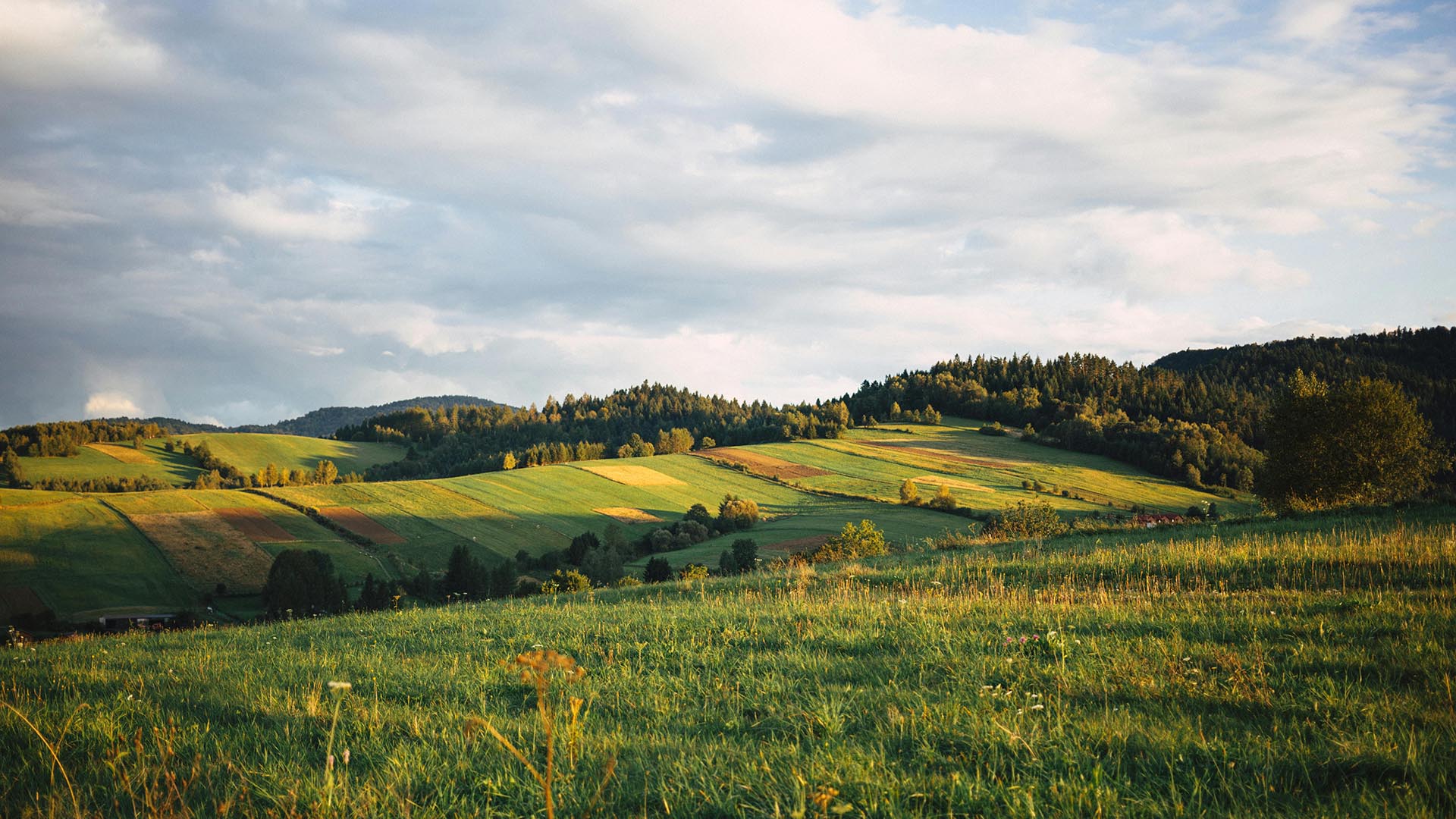
Natural capital refers to natural resources - sunlight, clean air, freshwater, topsoil, plants, and animals - that we can access, but don’t necessarily own.94 Natural capital is present in our backyards, in local parks, in farmland, fields, and forests, and above all in wild spaces.95
Whether you rent or own, we recommend looking for property with some inherent natural capital (such as a yard, or access to open space). We can greatly improve the value of our natural capital via soil restoration,96 permaculture gardening,97 managing invasives, planting natives,98 and offering forage and shelter for insects and animals.99 The health and resilience of our ecosystems is integral to our survival; by being good stewards of natural spaces, we’re strengthening our planetary life-support systems for the benefit of all.100,101
Conclusion
On paper this all might seem overwhelming, but when we zoom out it’s actually pretty simple: take care of yourself, live simply, cultivate skills, and gather resources. These are things you’re probably doing already, to one degree or another; it’s just a matter of directing more time, energy, and attention to them.
These keys also reinforce each other; success with one begets success with another, and so on. So don’t make the perfect the enemy of the good; take small, consistent steps to build resilience each day, and see how these changes ripple out through your life.

Footnotes & References
- Climate change: An 'existential threat' to humanity, UN chief warns global summit (United Nations)
- The 2023 state of the climate report: Entering uncharted territory (William Ripple, Christopher Wolf, Jillian Gregg, Johan Rockström, Thomas Newsome, Beverly Law, Luiz Marques, Timothy Lenton, Chi X , Saleemul Huq, Leon Simons, David King, BioScience)
- Existential climate-related security risk: A scenario approach (David Spratt, Ian Dunlop, National Centre for Climate Restoration)
- This is why 'polycrisis' is a useful way of looking at the world right now (Kate Whiting, HyoJin Park, World Economic Forum)
- The Big Three Health Behaviors and Mental Health and Well-Being Among Young Adults (Shay-Ruby Wickham, Natasha Amarasekara, Adam Bartonicek, Tamlin Conner, Frontiers in Psychology)
- Why Does Nutrition Advice Change? (Carolyn Denton, Karen Lawson, Linda Armstrong, University of Minnesota)
- Why nutrition studies keep contradicting each other (Nik Narain, The Duke Chronicle)
- What doctors wish patients knew about ultraprocessed foods (Sara Berg, American Medical Association)
- The Hidden Dangers of Fast and Processed Food (Joel Fuhrman, American Journal of Lifestyle Medicine)
- Ultra-processed food exposure and adverse health outcomes (Melissa Lane, Elizabeth Gamage, Shutong Du, Debora Ashtree, Amelia McGuinness, Sarah Gauci, Phillip Baker, Mark Lawrence, Casey Rebholz, Bernard Srour, Mathilde Touvier, Felice Jacka, Adrienne O’Neil, Toby Segasby, The BMJ)
- What are whole foods? (Victoria Taylor, British Heart Foundation)
- Processed vs. Whole Foods: The Science of Nutrition (Global Wellness Institute)
- The health benefits of a whole foods, plant-forward diet (Stefanie Sacks, Environmental Working Group)
- Priority Micronutrient Density in Foods (Ty Beal, Flaminia Ortenzi, Frontiers in Nutrition)
- Minimally processed foods are more satiating and less hyperglycemic than ultra-processed foods (Anthony Fardet, Food and Function)
- Rediscovering the nutrition of whole foods: the emerging role of gut microbiota (Xunyu Song, Xiaoying Zhang, Chen Ma, Xiaosong Hu, Fang Chen, Current Opinion in Food Science)
- Impact of a Whole-Foods, Plant-Based Nutrition Intervention on Patients Living with Chronic Disease in an Underserved Community (Shipra Bansal, Meaghan Connolly, Tasha Harder, American Journal of Lifestyle Medicine)
- Why Cooking - No Matter the Recipe - Is Better for Your Health (Lauren Wicks, EatingWell)
- Cooking at Home: A Strategy to Comply With U.S. Dietary Guidelines at No Extra Cost (Arpita Tiwari, Anju Aggarwal, Wesley Tang, Adam Drewnowski, American Journal of Preventive Medicine)
- The importance of hydration (Harvard School of Public Health)
- Hydrating for Health (National Institutes of Health)
- How much water should you drink? (Harvard Medical School)
- The prospective association between different types of exercise and body composition (Clemens Drenowatz, Gregory Hand, Michael Sagner, Robin Shook, Stephanie Burgess, Steven Blair, Medicine & Science in Sports & Exercise)
- Effect of exercise for depression (Michael Noetel, Taren Sanders, Daniel Gallardo-Gómez, Paul Taylor, Borja del Pozo Cruz, Daniel van den Hoek, Jordan Smith, John Mahoney, Jemima Spathis, Mark Moresi, Rebecca Pagano, Lisa Pagano, Roberta Vasconcellos, Hugh Arnott, Benjamin Varley, Philip Parker, Stuart Biddle, Chris Lonsdale, The BMJ)
- Does Physical Activity Increase Life Expectancy? A Review of the Literature (C D Reimers, G Knapp, A K Reimers, Journal of Aging Research)
- Physical activity (World Health Organization)
- Why Is Sleep Important? (The National Heart, Lung, and Blood Institute)
- Screen Use Disrupts Precious Sleep Time (National Sleep Foundation)
- Sleep hygiene: Simple practices for better rest (Jessica Solodar, Sogol Javaheri, Harvard Medical School)
- 6 actions to develop an effective disaster plan (Inner City Fund)
- Panic buying (Wikipedia)
- Climate change's disruptive impact on global supply chains and the urgent call for resilience (The Economist)
- How Climate Change Is Disrupting the Global Supply Chain (Jacques Leslie, Yale Environment 360)
- How to Create an Emergency Water Supply (CDC)
- Preparing an Emergency Food Supply, Long Term Food Storage (Judy Harrison, Elizabeth Andress, University of Georgia)
- Packaging and Storing Dried Foods (National Center for Home Food Preservation)
- The Calories in a 5-Gallon Bucket of Rice, Beans, and Wheat (Ken Jorgustin, Modern Survival Blog)
- Build A Kit (Ready.gov)
- What Do You Need In A Survival Kit? (American Red Cross)
- Emergency Supplies Kit (National Weather Service)
- Packing a Go Bag and a Stay Bag (U.S. Department of State)
- An essential guide to building an emergency fund (Consumer Financial Protection Bureau)
- Collapse Now and Avoid the Rush (John Michael Greer, Resilience.org)
- Reducing without losing: Reduced consumption and its implications for well-being (Madeleine Vollebregt, Ruth Mugge, Carina Thürridl, Willemijn van Dolen, Sustainable Production and Consumption)
- Going Green Is Good for You: Why We Need to Change the Way We Think about Pro-environmental Behavior (Michael Prinzing, Ethics, Policy & Environment)
- Average Sales Price of Houses Sold for the United States (Federal Reserve Bank of St. Louis)
- House Prices Outpaced Income Growth Over the Past 40 Years (Felix Richter, Statista)
- Our homes have gotten bigger - but are we happier? (Amy Scott, Sean McHenry, Livi Burdette, Marketplace)
- New US Homes Today Are 1,000 Square Feet Larger Than in 1973 and Living Space per Person Has Nearly Doubled (Mark Perry, American Enterprise Institute)
- Consumer Expenditures 2024 (U.S. Bureau of Labor Statistics)
- New-Vehicle Prices Hit New High (Cox Automotive)
- Study: How Car Ownership is Keeping Americans From Financial Stability (Kea Wilson, Streetsblog USA)
- Cars are essential in most of the U.S. They're also increasingly unaffordable (Camila Domonoske, NPR)
- How extreme car dependency is driving Americans to unhappiness (Oliver Milman, The Guardian)
- American society wasn’t always so car-centric. Our future doesn’t have to be, either. (Sarah Wesseler, Yale Climate Connections)
- Throwaway Nation (Julia Scheeres, The Craftsmanship Initiative)
- Subscription Service Statistics and Costs (C+R Research)
- Spending on Experiences Versus Possessions Advances More Immediate Happiness (The University of Texas at Austin)
- Buy Experiences instead of Possessions to Build Social Connection (Amit Kumar, Daisy Yuhas, Scientific American)
- How Much Screen Time is Too Much for Adults? (Reid Health)
- Working Too Many Hours Can Backfire (Michigan State University)
- Employment by major industry sector (U.S. Bureau of Labor Statistics)
- The Resilient Allure of Cottage Industries (Gabriel Lip, Jeff Schmidt, Corporate Finance Institute)
- Climate change cuts global crop yields (Josie Garthwaite, Stanford University)
- Agricultural Lands Are Losing Topsoil (Nathaniel Scharping, Eos)
- What will it take to get fossil fuels out of our food systems? (IPES-Food)
- How regenerative agriculture can make climate solutions more resilient (Tania Strauss, World Economic Forum)
- 11 Critical Survival Skills That Could Save Your Life (American Red Cross)
- Right To Repair: Making Products Last Longer Saves Money And The Climate (Nik Sawe, Forbes)
- Consumers and self-repair: What do they repair, what skills do they have and what are they willing to learn? (Piia Lundberg, Annukka Vainio, Noora Viholainen, Angelina Korsunova, Resources, Conservation and Recycling)
- Global employment and skill level requirements for ‘Post-Carbon Europe’ (Martin Černý, Martin Bruckner, Jan Weinzettel, Kirsten Wiebe, Christian Kimmich, Christian Kerschner, laus Hubacek, Ecological Economics)
- Keeping your job at the end of the world (as we know it) (Jem Bendell)
- Understanding Financial, Human, and Social Capital in Business (Claire Boyte-White, Thomas Catalano, Vikki Velasquez, Investopedia)
- 13 Types of Capital in Sociology (Chris Drew, Helpful Professor)
- The eight forms of community wealth, Part 3: Individual capital (Ryan Coffey, Michigan State University Extension)
- The eight forms of community wealth, Part 7: Social capital (Ryan Coffey, Michigan State University Extension)
- Disaster recovery via social capital (Beate Völker, Nature Sustainability)
- The Primacy of Social Capital for Community Resilience (Rick Morse, UNC Chapel Hill)
- Closure of ‘Third Places’? Exploring Potential Consequences for Collective Health and Wellbeing (Jessica Finlay, Michael Esposito, Min Hee Kim, Iris Gomez-Lope, Philippa Clarke, Health & Place)
- Why Social Connection is Declining (Stevenson University)
- Smartphones, Social Media, and Their Impact on Mental Health (Columbia University)
- Loneliness unlocked: Associations with smartphone use and personality (Kristi MacDonald, Julie Schermer, Acta Psychologica)
- Comparing the Happiness Effects of Real and On-Line Friends (John Helliwell, Haifang Huang, Cédric Sueur, PLoS One)
- New Study: Making Friends Is Hard But Work Can Help (Tracy Brower, Forbes)
- The science of why friendships keep us healthy (Zara Abrams, American Psychological Association)
- The eight forms of community wealth, Part 2: Financial capital (Ryan Coffey, Michigan State University Extension)
- The Delusion of Infinite Economic Growth (Chirag Dhara, Vandana Singh, Scientific American)
- Planetary Solvency – finding our balance with nature (Institute and Faculty of Actuaries)
- Global Socio-economic Resilience to Natural Disasters (Robin Middelanis, Bramka Jafino, Ruth Hill, Minh Nguyen, Stéphane Hallegatte, World Bank Group)
- For a strong economic recovery, invest in financial resilience (Leora Klapper, Jonathan Morduch, World Economic Forum)
- World’s real estate worth $393.3 trillion and is the world’s largest store of wealth (Paul Tostevin, Savills)
- Dynamic hedging responses of gold and silver to inflation (Abbas Valadkhani, Barry O'Mahony, International Review of Economics & Finance)
- Gold in a Storm: How Gold Holds Up During Market Crises (VanEck)
- The eight forms of community wealth, Part 5: Natural capital (Ryan Coffey, Michigan State University Extension)
- What is natural capital? (Kara Anderson, Greenly)
- Soil Regeneration (Wikipedia)
- What is Permaculture? (Permaculture Magazine)
- What is the Difference Between Native, Non-native, and Invasive Plants? (Gabriella Sotelo, National Audubon Society)
- Wildlife garden (Wikipedia)
- Planetary boundaries (Stockholm Resilience Centre)
- What Are Ecosystem Services? (Reagan Pearce, Earth.org)

